Quick answer
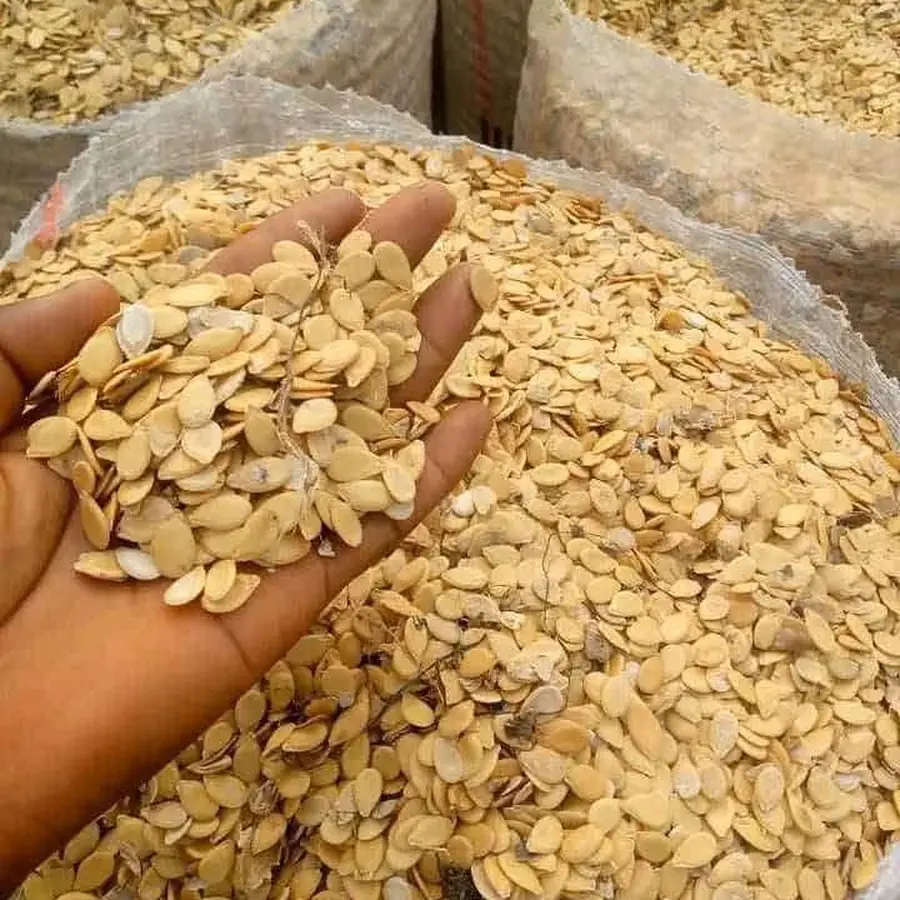
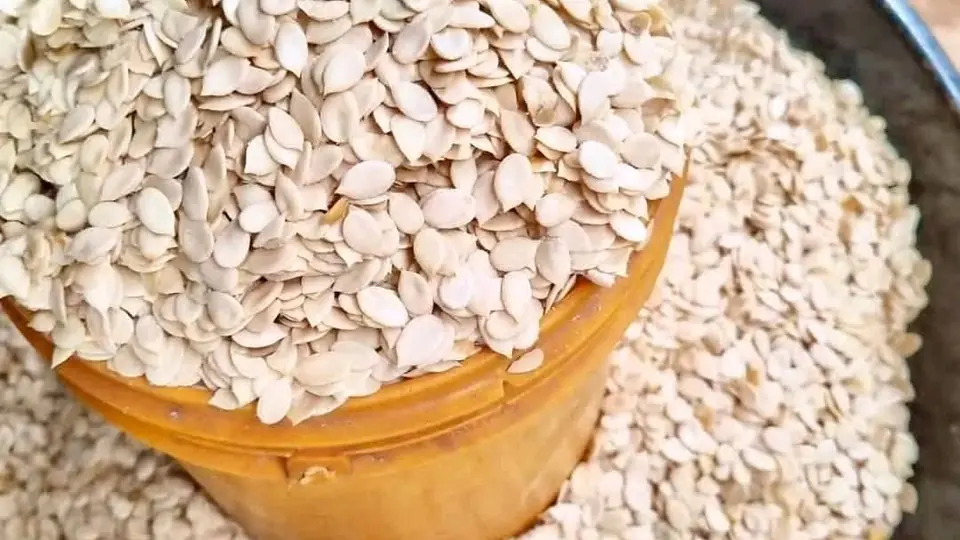
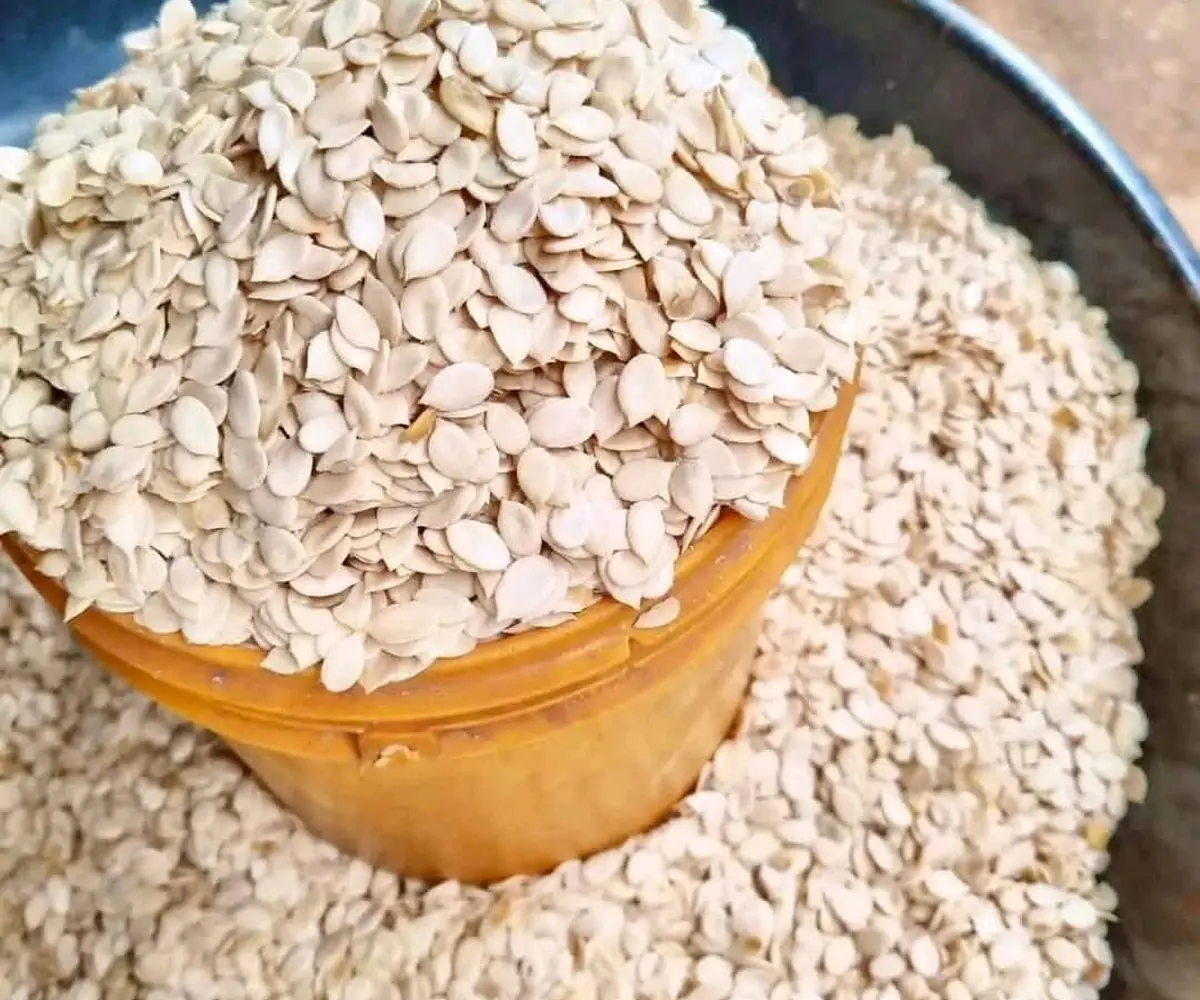
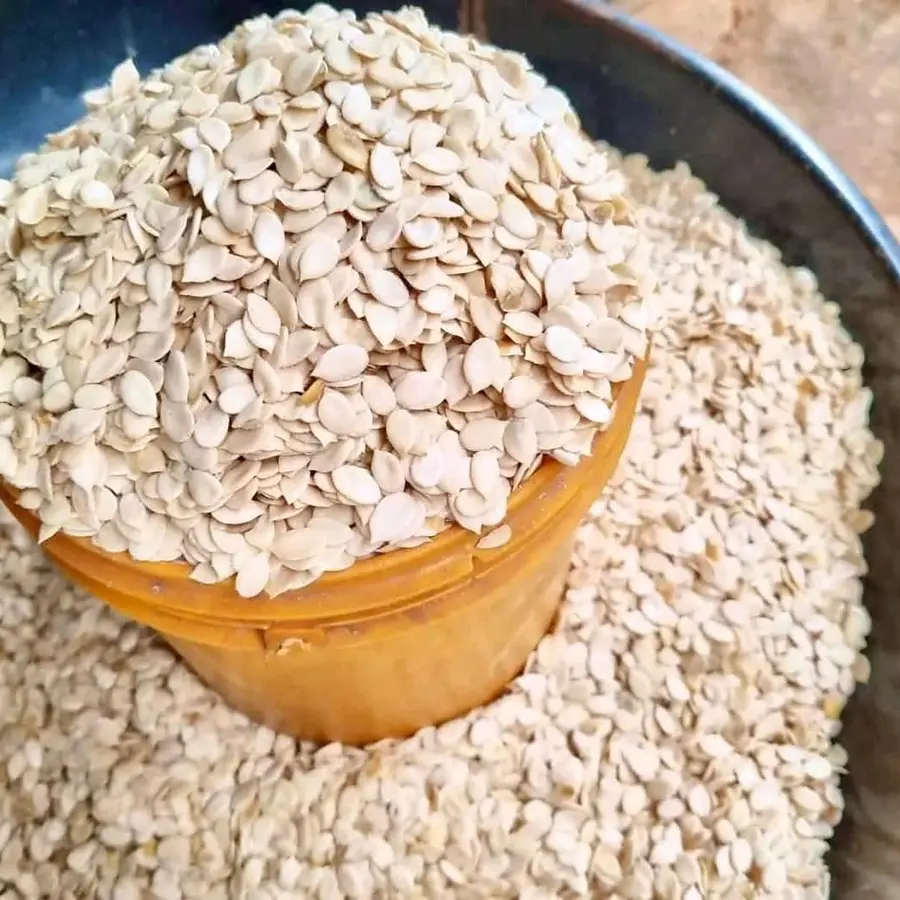
Egusi (melon seeds) (Egusi, Ngondo): Ground egusi (melon seeds) is used for nnam ngon and egusi sauce. Ours comes from Bafia, in Cameroon’s Centre region.
Key facts
- Name in French
- Pistache
- Scientific name
- Cucumeropsis mannii / Citrullus spp.
- Also known as
- Egusi, Ngondo
- Origin
- Bafia, Mbam-et-Inoubou · Centre
- Category
- Seeds, nuts & legumes
- Type
- Raw
- Available formats
- Shelled, ground
- Delivery
- Dry · ships everywhere
What is Egusi?
Ground egusi (melon seeds) is used for nnam ngon and egusi sauce.
Its scientific name is Cucumeropsis mannii / Citrullus spp.. It is also known as Egusi, Ngondo.
Where does Egusi come from?
Our Egusi comes from Bafia, Mbam-et-Inoubou, in the Centre region (capital Yaoundé). Growing areas in the region: Obala, Bafia, Mbalmayo, Akonolinga, Monatélé. Every lot is checked and packed in Douala.
How do you cook with Egusi?
Seeds and nuts thicken and enrich sauces (groundnut, egusi, ogbono) or are eaten as snacks.
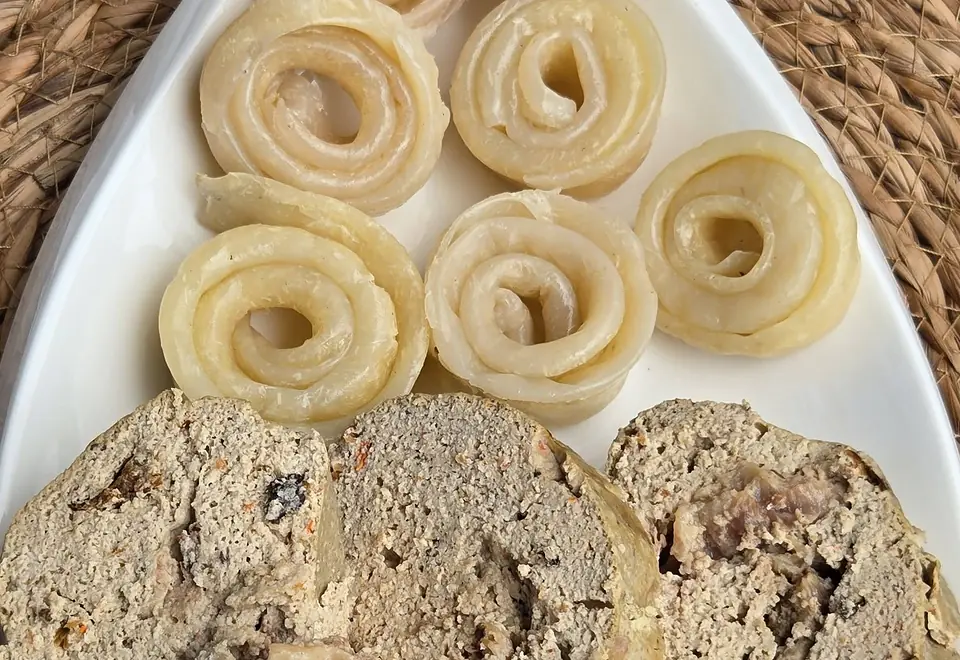
You will find it in these dishes: Nnam ngon.
Pack size: 500 g. Usual formats in Cameroon: shelled, ground.
How should you store Egusi?
Keep dry, away from light, in a closed container.
Where to buy Egusi in Europe, the US and Canada
A dry product: it ships easily to Europe, the UK, the US and Canada. We deliver to cities including Paris, Brussels, London, Montreal.
Frequently asked questions
What is Egusi called in French?
In French: Pistache. Other names: Egusi, Ngondo.
Which dishes use Egusi?
Nnam ngon.
How do I store Egusi?
Keep dry, away from light, in a closed container.
Can Egusi be shipped outside Cameroon?
A dry product: it ships easily to Europe, the UK, the US and Canada.
Is it organic?
We never say “organic” without certification. It is natural, traditionally grown, free of additives, and every lot is checked in Douala.